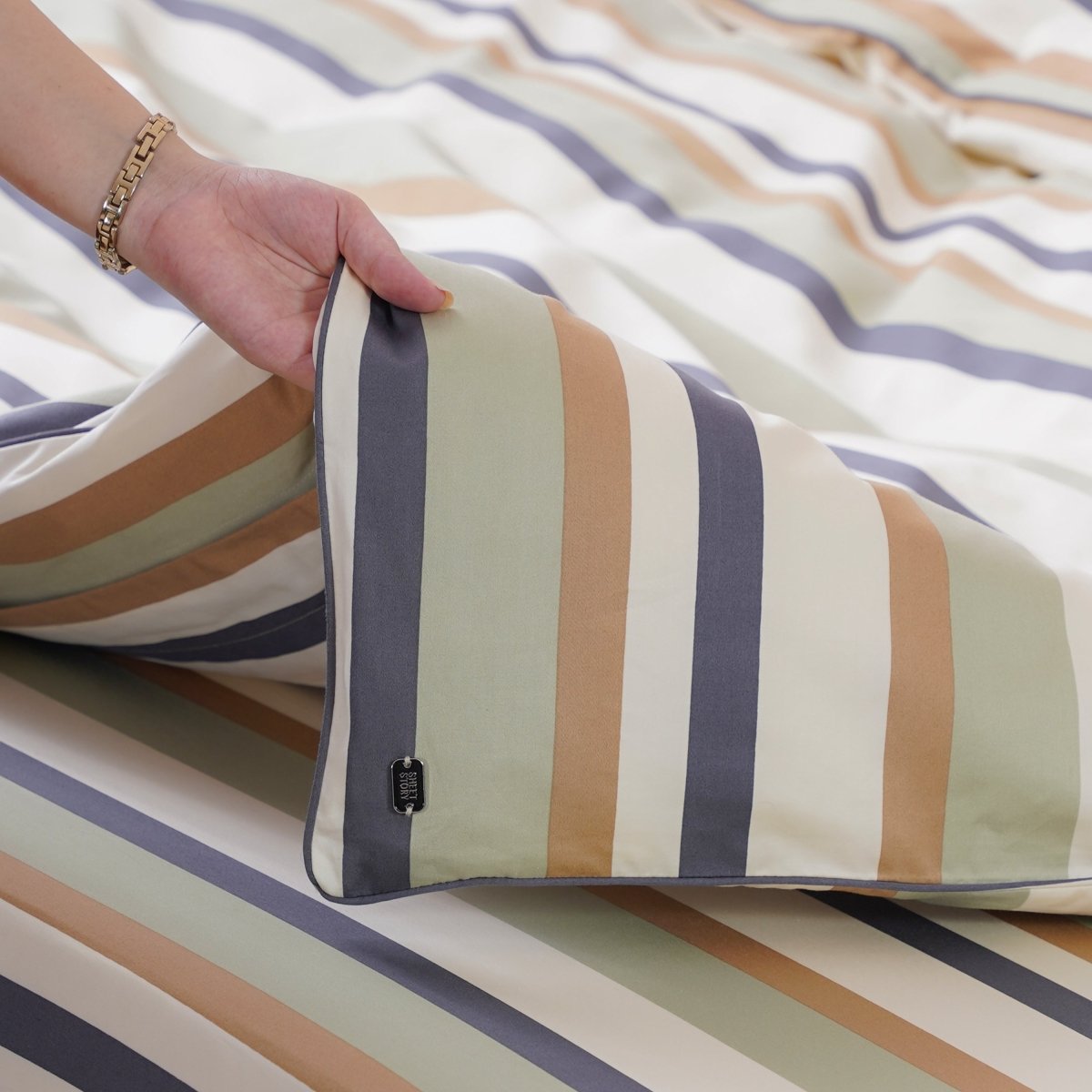


Best Sheets for Eczema and Sensitive Skin
A practical look at which fabrics tend to help, which to be cautious with, and how to wash bedding so it doesn't undo a good fabric choice.
If you or someone in your house deals with eczema, you already know the bed isn't always the safe, restful place it should be. The wrong sheets can leave skin itchy, flushed, or flaring by morning, even when nothing else in the routine has changed. Bedding sits against skin for six to nine hours a night, so it's worth as much attention as the moisturiser on the bathroom shelf.
Why Bedding Matters More Than People Think
Skin affected by eczema has a weaker barrier than typical skin, which means it's more reactive to friction, heat, moisture, and residual chemicals than most people's skin is. A fabric that feels perfectly fine to one person can quietly aggravate someone with eczema over the course of a night, especially around areas like the elbows, backs of knees, and neck that spend the most time in direct contact with the sheet.
Three things tend to matter most:
- Breathability. Overheating and sweating overnight is a common eczema trigger, and some fabrics trap heat far more than others.
- Texture and weave. Rougher, tightly synthetic weaves create friction against already irritated skin.
- Chemical treatments. Some low cost bedding is treated with dyes, formaldehyde based finishes, or flame retardants that can irritate sensitive skin, even after washing.
The Fabrics Worth Considering
Bamboo Recommended
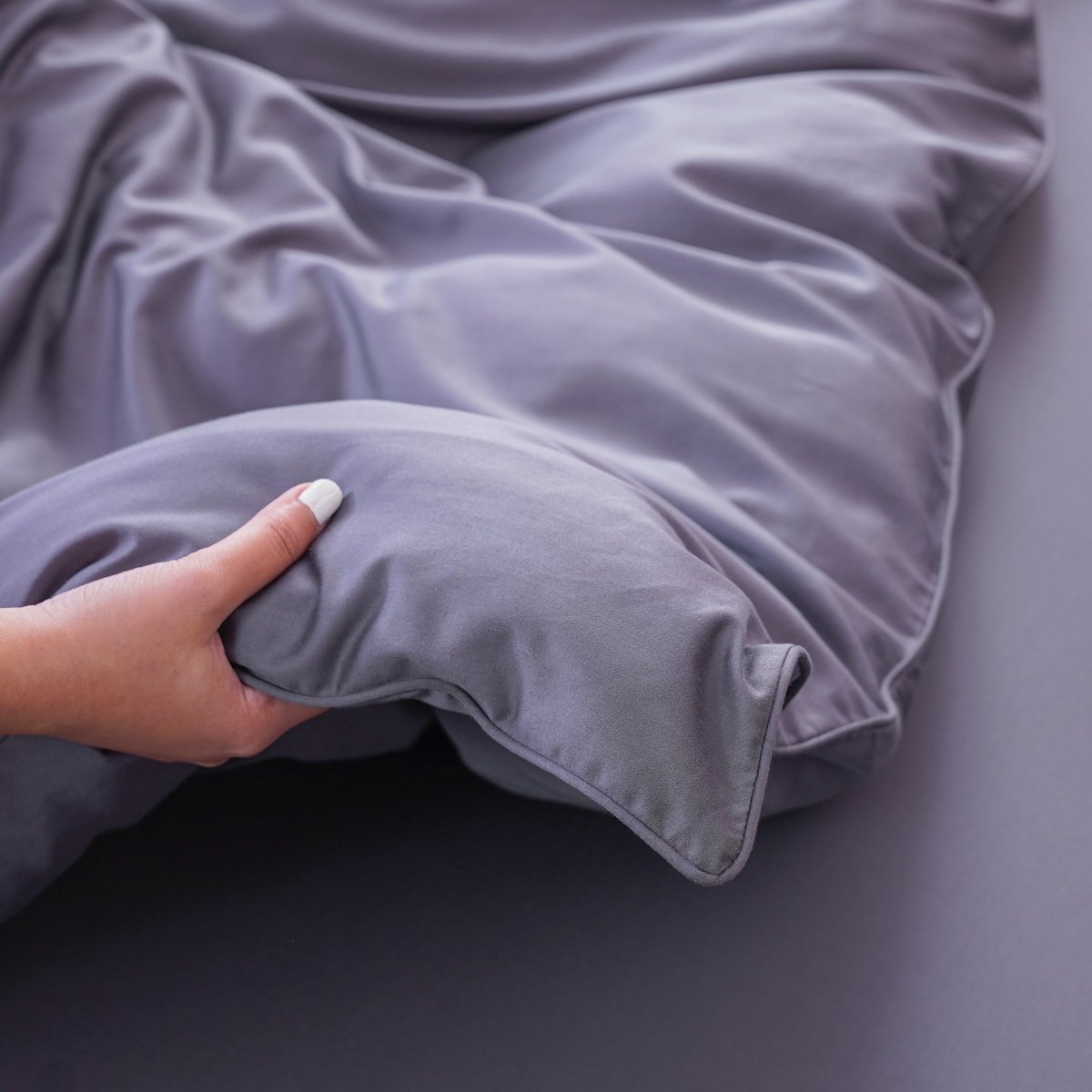
Bamboo derived fabric (usually bamboo viscose or lyocell) is naturally breathable and moisture wicking, which helps regulate temperature and keeps skin drier overnight. It also tends to have a smooth, low friction surface with fewer of the loose fibres that can irritate compromised skin. It's become a common recommendation for eczema prone sleepers for these reasons, though as with any fabric, individual reactions vary.
Organic or Combed Cotton Recommended
Cotton is a long standing choice for sensitive skin, and for good reason. It's breathable, widely available, and generally well tolerated. Organic cotton goes a step further by avoiding the pesticide residues sometimes found in conventionally grown cotton. Combed cotton has a smoother finish with fewer rough fibres than standard carded cotton.
Silk Worth Trying
Silk is naturally smooth and low friction, which some people with eczema find genuinely soothing, particularly around the face and neck. It's less breathable than bamboo or cotton, though, and considerably more expensive and delicate to care for, which makes it a harder recommendation for everyday, frequent wash use.
Linen Worth Trying
Linen is highly breathable and gets softer with every wash, but it starts out coarser than bamboo or cotton. For very reactive skin, that initial texture can be a drawback until the fabric has broken in.
Polyester & Microfibre Blends Use Caution
The most common culprit behind overnight irritation. They trap heat, don't wick moisture well, and often carry more chemical finishing than natural fibres. Not automatically a problem for everyone, but the first thing worth ruling out if flare ups seem tied to sleep.
Wool & Wool Blends Use Caution
Breathable, but can be too textured for directly against skin use during a flare, even if fine for blankets or throws layered above a sheet.
What to Check Before Buying
A few practical checks matter more than marketing language on the packaging:
- OEKO-TEX certification. Confirms the fabric has been tested for harmful substances, genuinely useful for sensitive skin rather than just a nice to have label.
- Thread count isn't everything. A very high thread count can sometimes mean a denser, less breathable weave. Breathability generally matters more than the number on the packet.
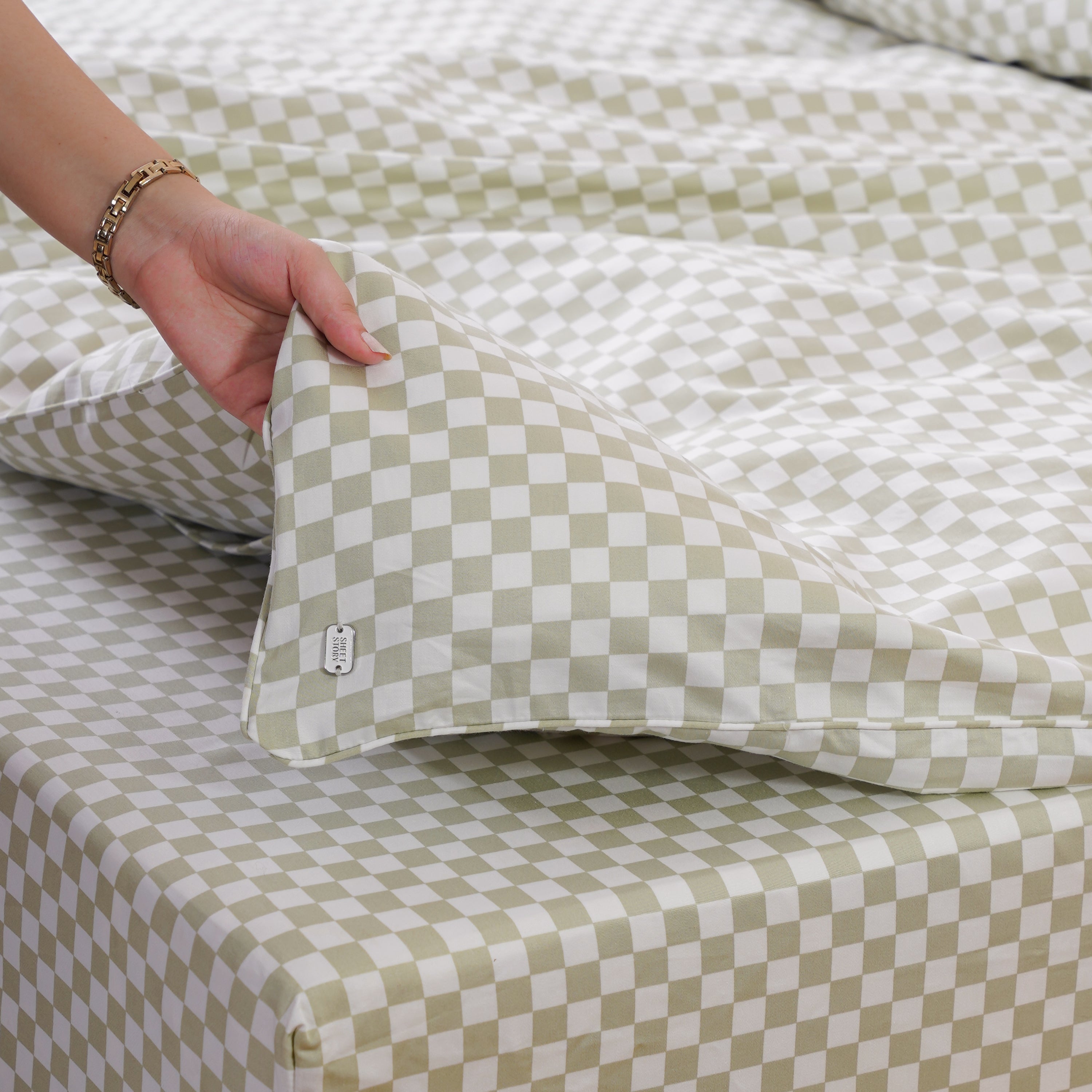
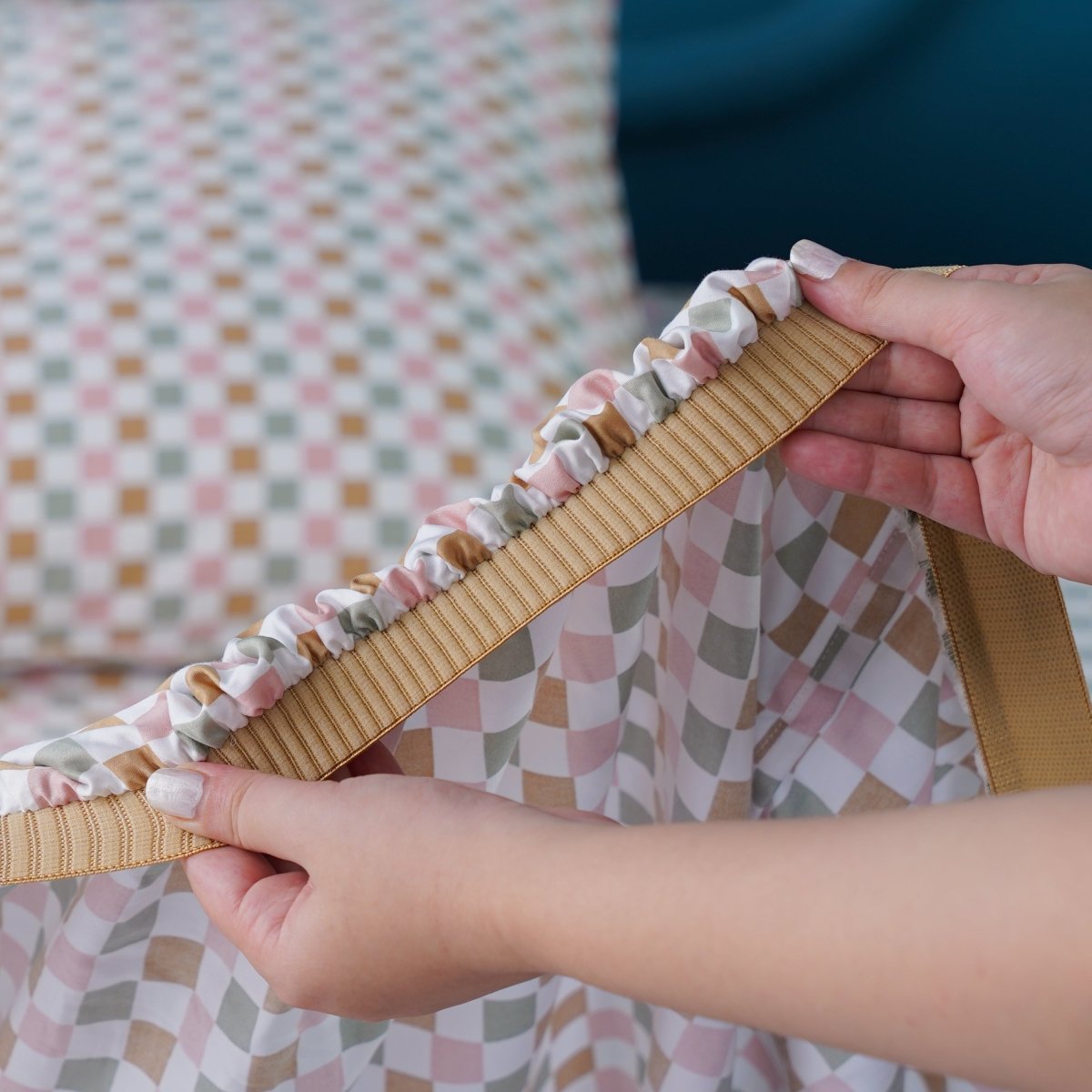
- Dye and finish. Undyed, minimally treated fabric in pale or natural tones tends to carry fewer residual chemicals than heavily dyed or printed bedding.
- Weave, not just fibre. Even a good fibre like cotton can be woven into something coarse. A smooth, tight weave in a breathable fibre is the combination to look for.
Washing Sheets When Skin Is Sensitive
The fabric is only half the equation. How bedding is washed can undo a good fabric choice just as easily as a poor one can be softened by the right routine.
- Wash new sheets before first use to remove finishing residues from manufacturing.
- Use a fragrance free, dye free detergent. Fragrance is one of the more common contact irritants for eczema prone skin.
- Skip fabric softener. It coats fibres with a residue that reduces breathability and is a frequent irritant.
- Wash at a warm to hot temperature where the fabric allows, to reduce dust mites and skin cell buildup, both of which can worsen sensitivity.
- Change sheets weekly, more often during a flare or in warmer weather.
A Simple Buying Checklist
- Natural fibre (bamboo, cotton, or silk) over synthetic or blended fabric
- OEKO-TEX or equivalent certification
- Smooth, tight weave rather than heavily textured
- Pale, minimally dyed colourways where possible
- Machine washable at a reasonable temperature without special care requirements
Where Sheet Story Fits In
Our bamboo bedding is woven for exactly the properties this guide points to: breathable, smooth against the skin, and made without the heavy chemical finishing that budget synthetic bedding often carries. It's not a treatment for eczema, and it won't replace advice from a dermatologist, but for many of our customers with sensitive skin, it's made a noticeable difference to how their sheets feel by morning.
Shop bamboo beddingFrequently Asked Questions
Are bamboo sheets good for eczema?
Many people with eczema find bamboo bedding more comfortable than synthetic alternatives, largely because of its breathability and smooth texture. It isn't a guaranteed fix, since eczema triggers vary from person to person, but it's a reasonable first change to try.
Is cotton or bamboo better for sensitive skin?
Both are solid choices. Cotton is the more established, widely available option, while bamboo tends to be more breathable and slightly smoother. Neither is objectively better for everyone, and it often comes down to personal preference and budget.
How often should I wash sheets if I have eczema?
Weekly is a reasonable baseline, with more frequent washing during a flare or in hot weather when sweat and skin cell buildup increase faster.
Can the wrong sheets actually cause an eczema flare?
Bedding is rarely the sole cause, but it can be a meaningful contributing factor, especially through heat, friction, or chemical residue from dyes and detergents. Ruling out bedding as a factor is a low effort, low risk step worth taking alongside any other treatment.
Do I need to buy expensive sheets for sensitive skin?
Not necessarily. Price doesn't always track with skin friendliness. A mid range, well certified cotton or bamboo sheet will usually serve sensitive skin better than an expensive but heavily treated or synthetic blend set.
Ready to try bedding that's kinder to sensitive skin?
Breathable, smooth bamboo bedding, made without the heavy chemical finishing found in a lot of budget sheets.
Shop Bamboo BeddingIf skin symptoms are severe, spreading, or not improving with changes to bedding and routine, it's worth checking in with a GP or dermatologist rather than relying on product changes alone.