

Why Your Choice of Bed Sheets Impacts Sleep Quality More Than You Think
When people look to improve their sleep, attention often turns to mattresses, pillows, or bedroom temperature. Yet one of the most influential — and frequently overlooked — factors is the bed sheets you sleep on every night. The fabric against your skin plays a direct role in comfort, temperature regulation, and how easily your body settles into deep, restorative sleep.
Bed sheets are not simply a finishing touch; they form part of your sleep environment and influence how effectively your body can relax and recover while you rest. Choosing the right sheets is therefore a meaningful step towards improving overall sleep quality.
How Your Sleep Environment Influences Deep Sleep
Sleep specialists often refer to the “sleep microclimate” — the immediate environment surrounding your body during the night. If this microclimate becomes too warm, humid, or uncomfortable, your body is forced to make constant adjustments. Even if you don’t wake fully, these disruptions can reduce the amount of time you spend in deeper sleep stages.
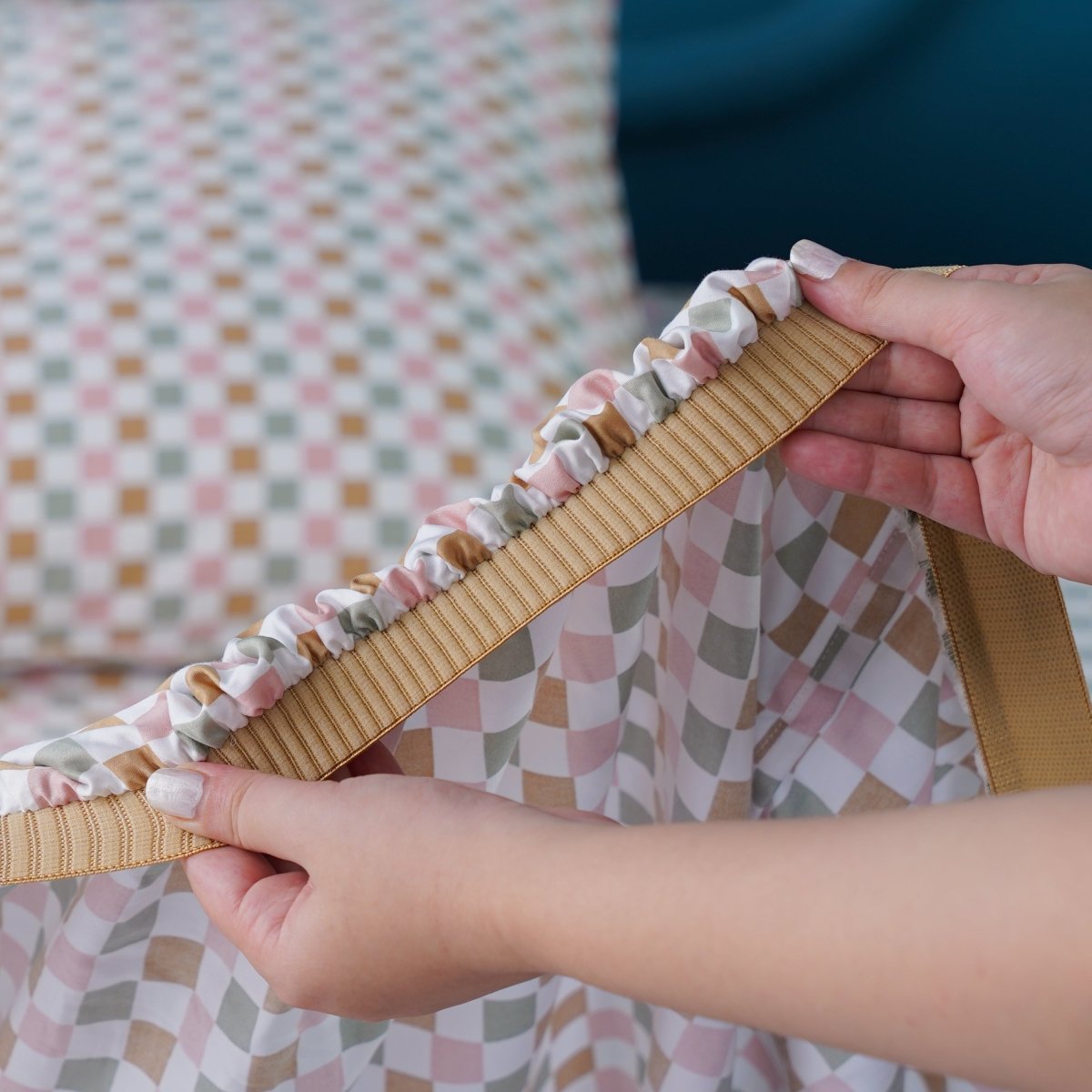
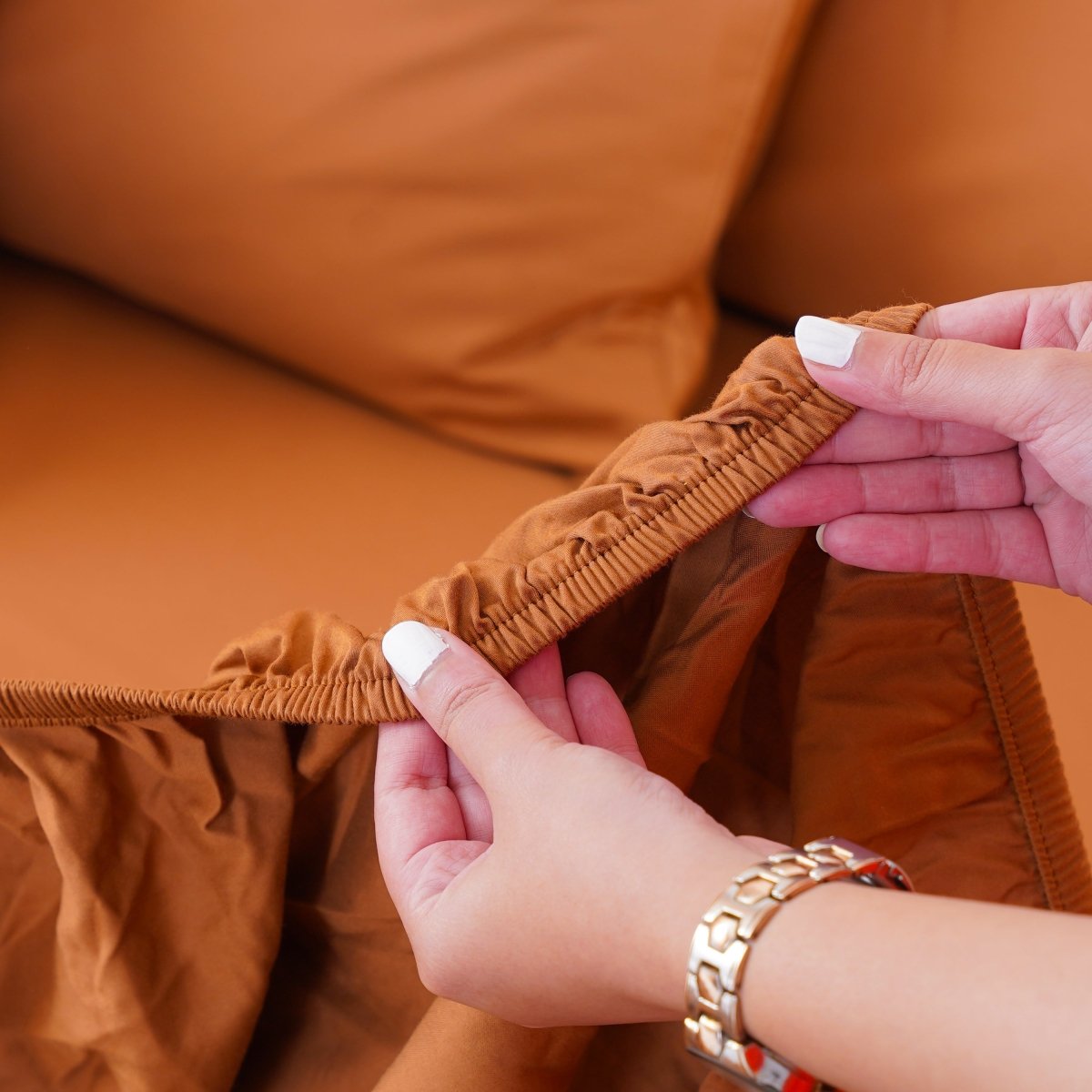
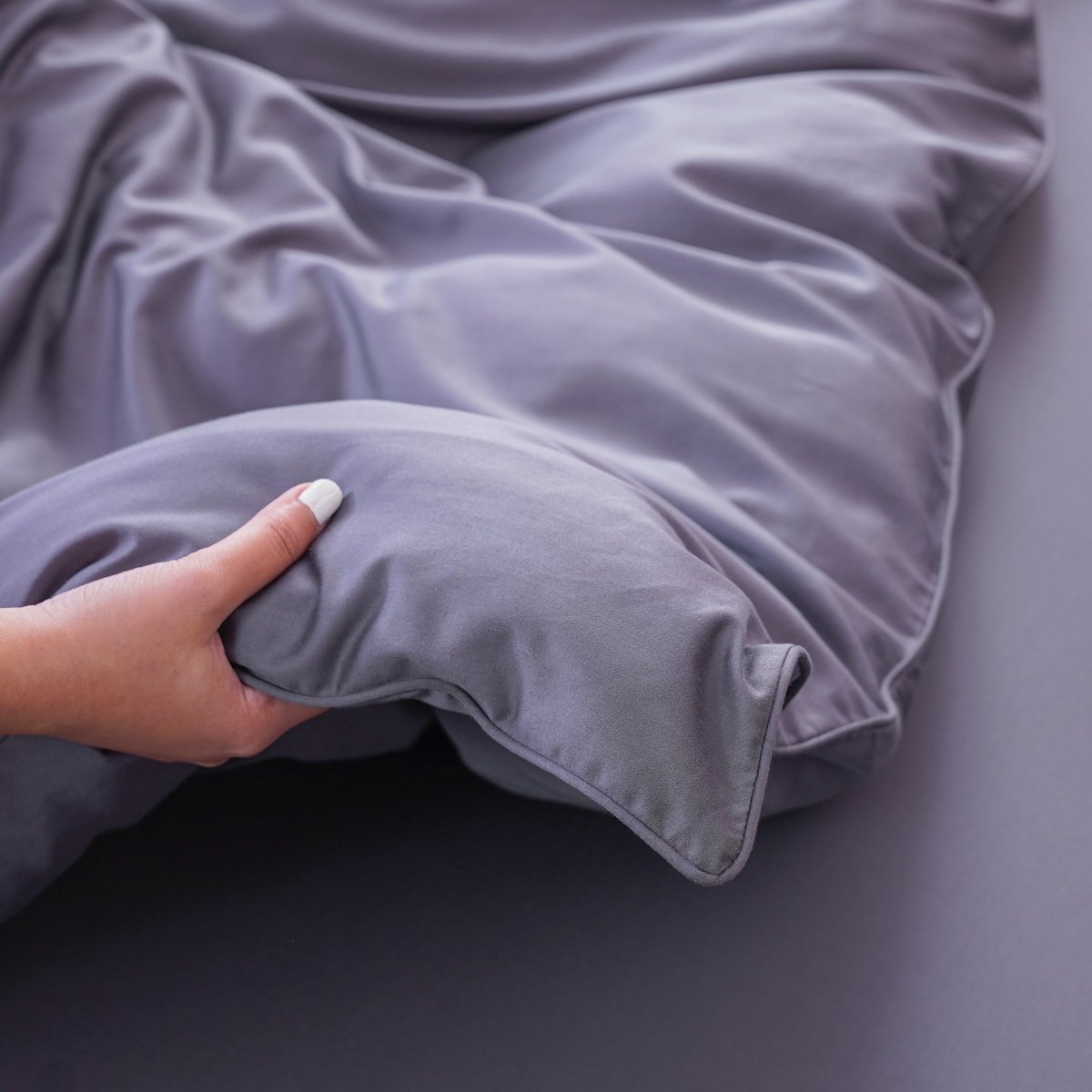
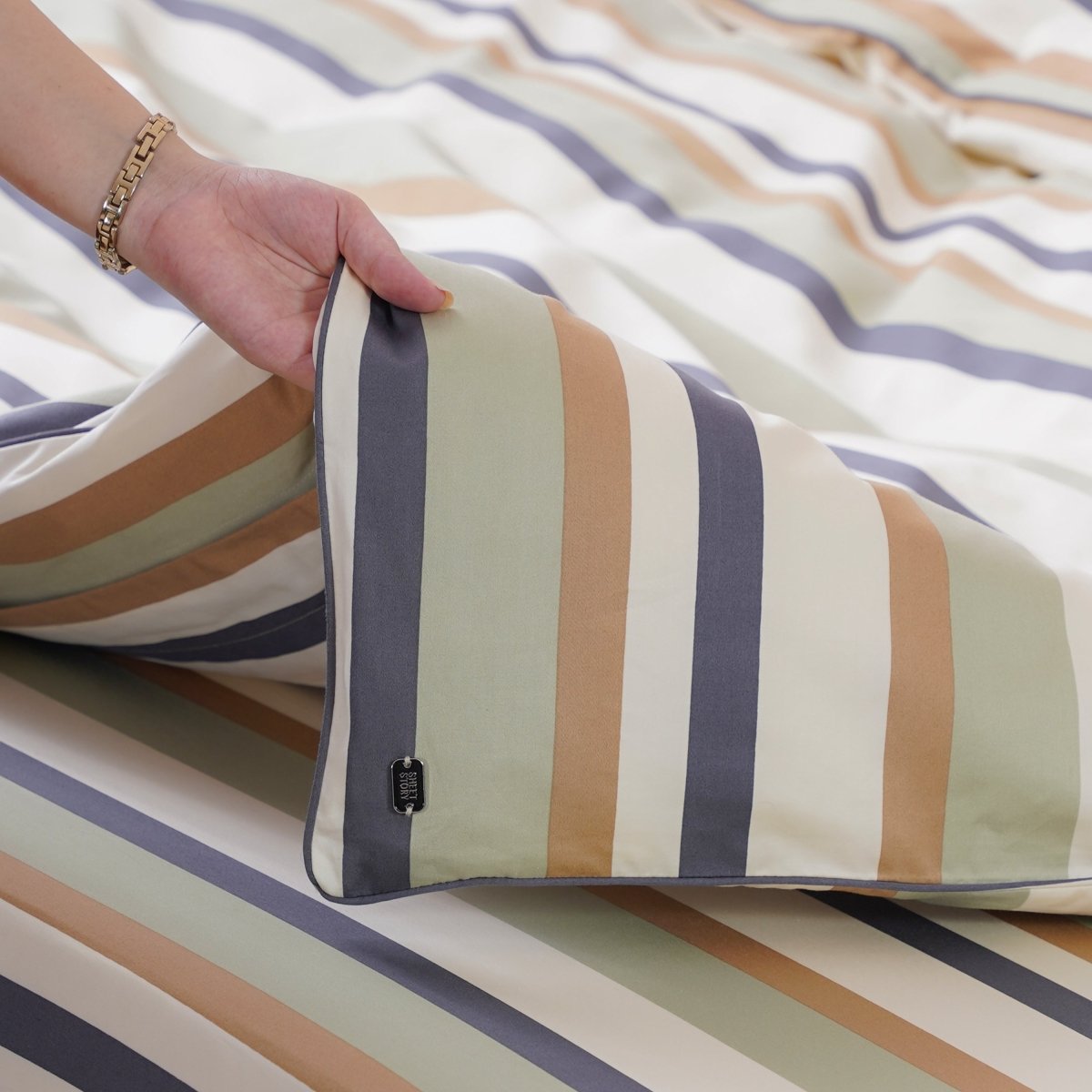
Creating a supportive sleep environment starts with the basics. Well-made sheets that fit properly and allow your body to regulate temperature naturally form the foundation of comfortable, restorative rest. This is why investing in quality options from a considered cotton bedding collection can make a noticeable difference over time.
Temperature Regulation and Fabric Breathability
One of the most important ways bed sheets affect sleep quality is through breathability. Fabrics that allow air to circulate help excess heat escape and moisture to evaporate, reducing the likelihood of overheating during the night.
Natural fibres generally perform better in this area than synthetic materials. For example, cooling bamboo bed sheets are widely appreciated for their ability to regulate temperature and create a lighter, fresher sleep surface — particularly for warm sleepers or those prone to night-time overheating.
Why Synthetic Fabrics Can Disrupt Sleep Cycles
Synthetic sheets may feel smooth initially, but they often lack the airflow required for long-term comfort. Heat and humidity can become trapped between the fabric and your skin, leading to subtle restlessness throughout the night.
These micro-disruptions don’t always cause full awakenings, but they can fragment sleep cycles. Over time, this fragmentation may leave you feeling less refreshed in the morning, even if you’ve spent enough hours in bed.
Matching Bed Sheets to Your Personal Sleep Style
Comfort preferences vary from person to person. Some sleepers prefer a crisp, cool feel against the skin, while others enjoy a softer, more enveloping sensation. The weave of your sheets plays a significant role here.
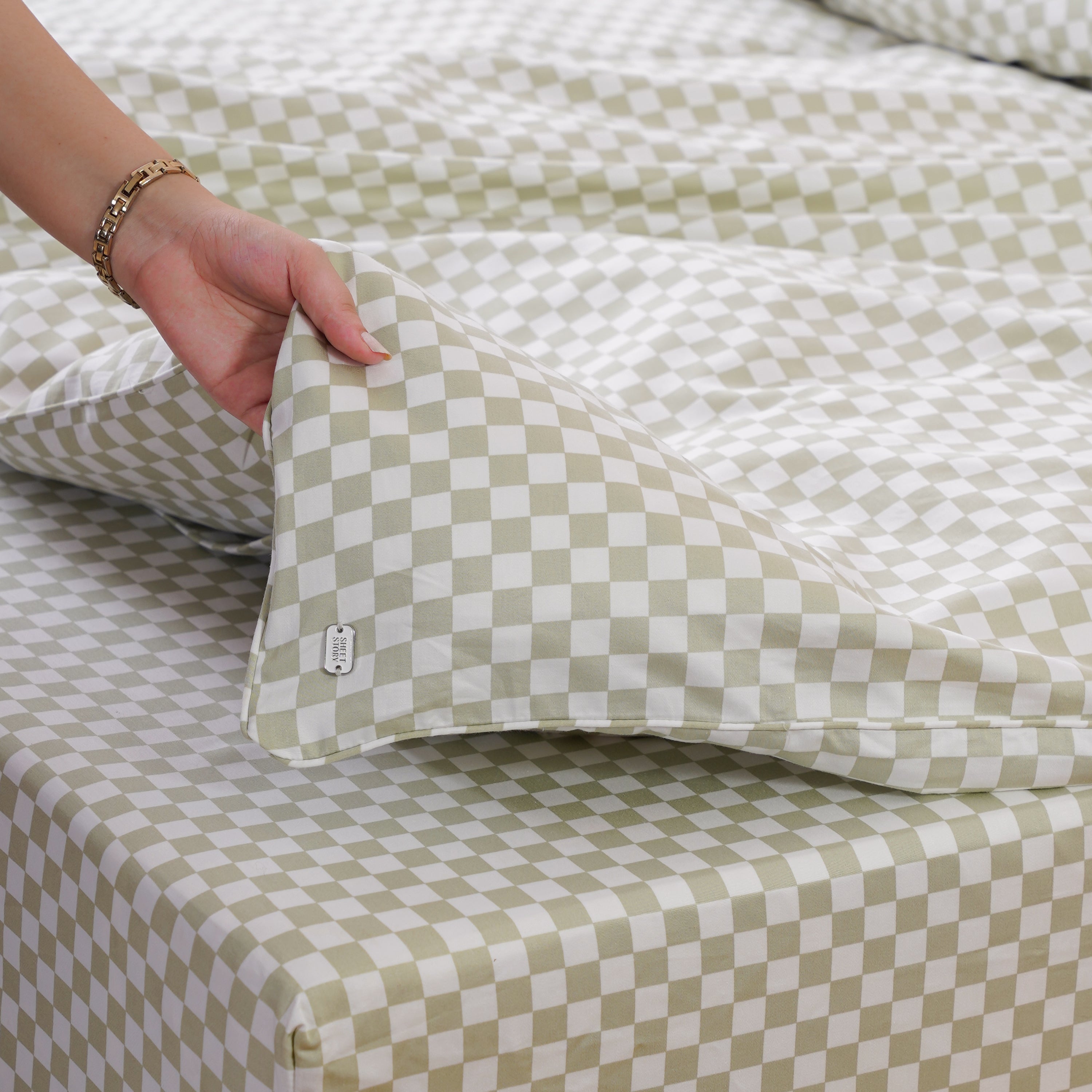
Crisp, breathable finishes such as those found in flat bed sheets are often favoured by those who sleep warm, while other constructions may suit cooler sleepers or layered bedding styles better.
Thoughtfully chosen bed sheets are not about indulgence for its own sake. They are a practical investment in creating an environment that supports deeper, more consistent, and more restorative sleep night after night.