If you tend to overheat at night, the fabric of your bed sheets can make a noticeable difference to how well you sleep. Two of the most common options you’ll encounter are percale and sateen — not materials themselves, but weaving techniques that influence how sheets feel, breathe, and perform overnight.
Understanding the difference between percale and sateen helps you choose bedding that supports cooler, more comfortable sleep rather than working against it.
How Weave Structure Affects Temperature
The key distinction between percale and sateen lies in how the threads are woven together. Percale uses a traditional one-over, one-under weave, creating a matte finish with a crisp, lightweight feel. This structure encourages airflow and allows heat to dissipate more easily.
Sateen, by contrast, uses a weave that places more threads on the surface of the fabric. This creates a smoother, silkier feel but can slightly reduce breathability compared to percale.
Percale: Crisp, Breathable, and Cooling
Percale sheets are often recommended for hot sleepers because of their ability to stay cool against the skin. The crisp finish prevents the fabric from clinging, allowing air to circulate freely throughout the night.
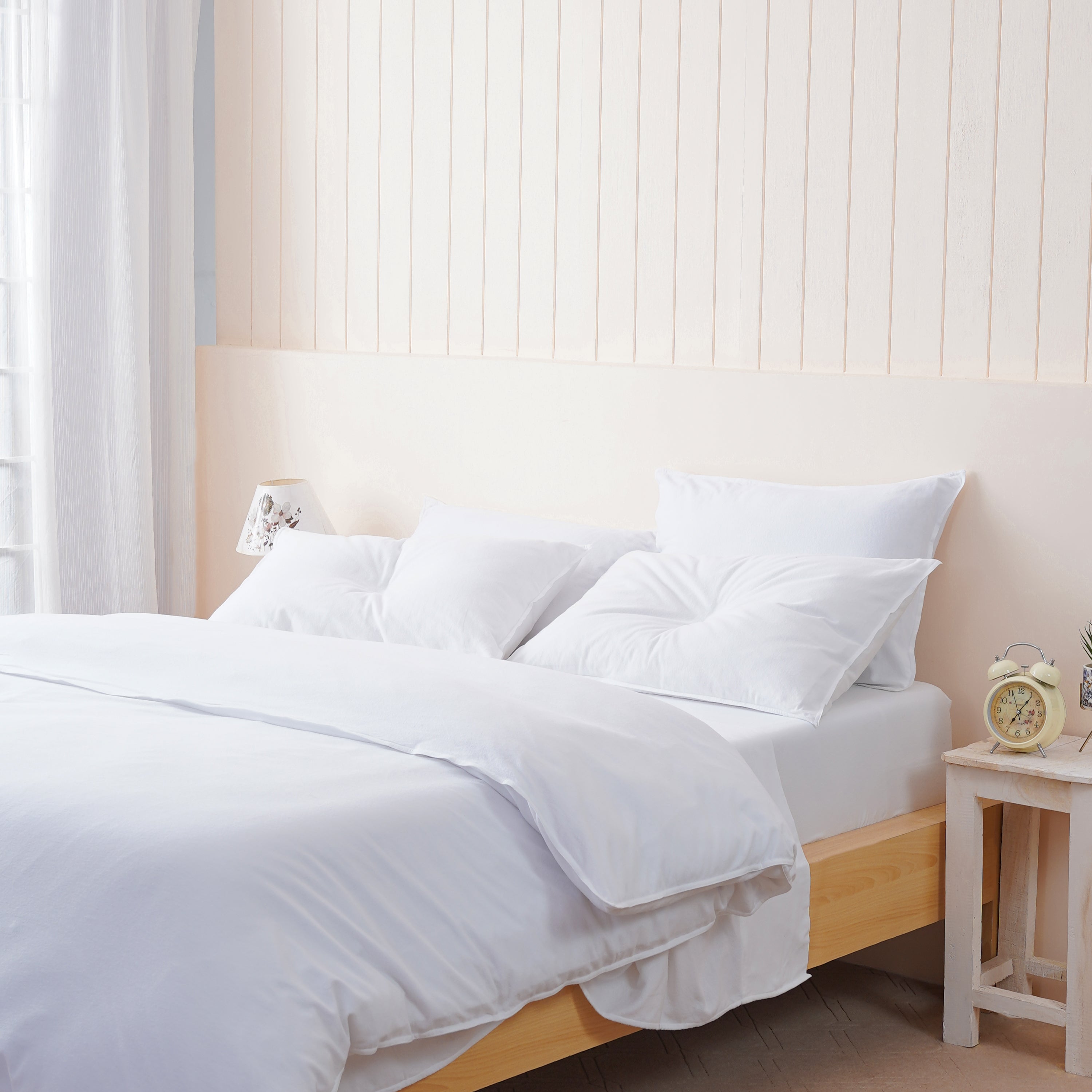
This makes percale particularly well suited to minimal, breathable bedding setups such as flat bed sheets, where airflow and lightweight layering are prioritised.
Sateen: Smooth Comfort With Balanced Warmth
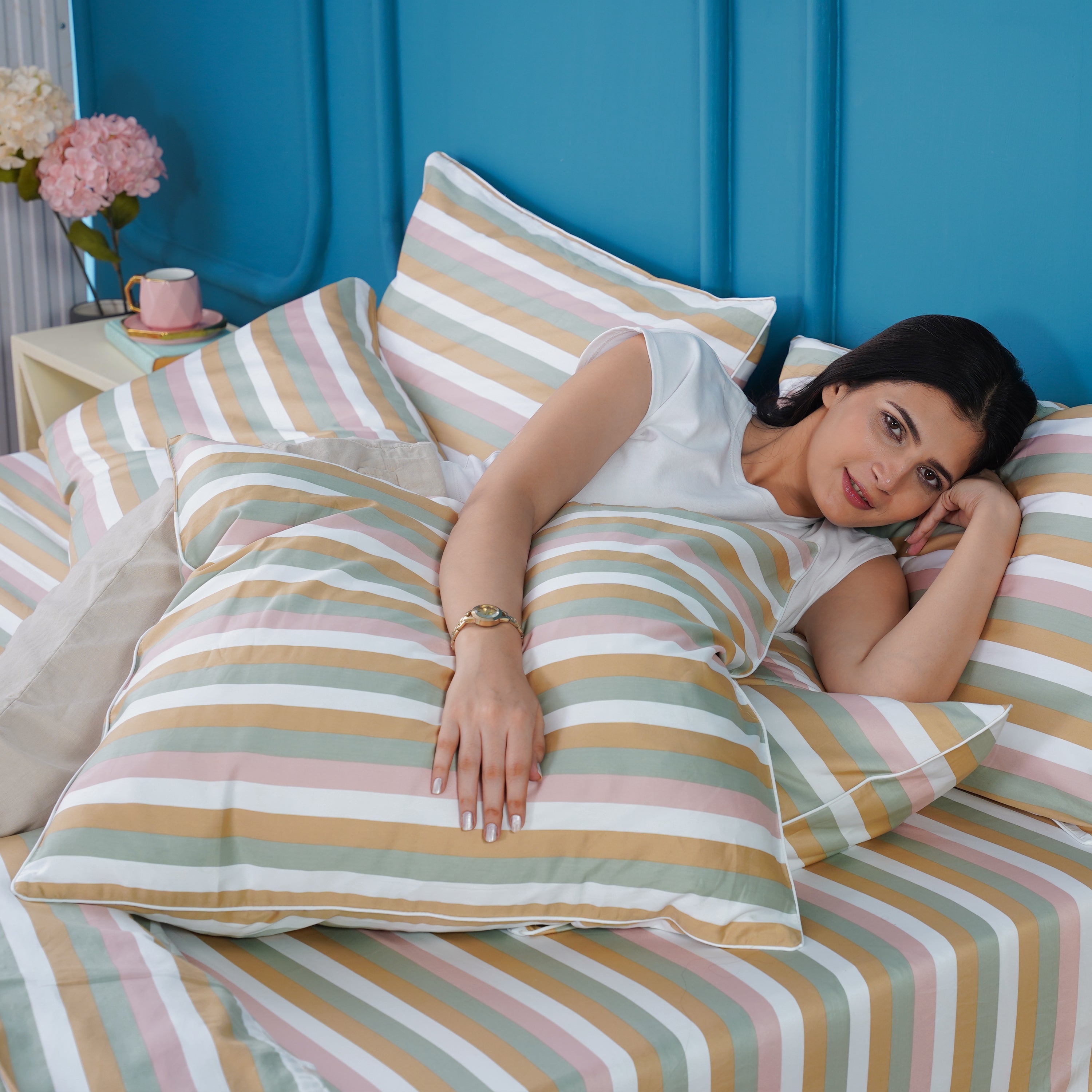
Sateen sheets feel softer and more luxurious to the touch, making them appealing to sleepers who enjoy a smoother surface. While sateen is still breathable when made from high-quality natural fibres, it tends to retain slightly more warmth than percale.
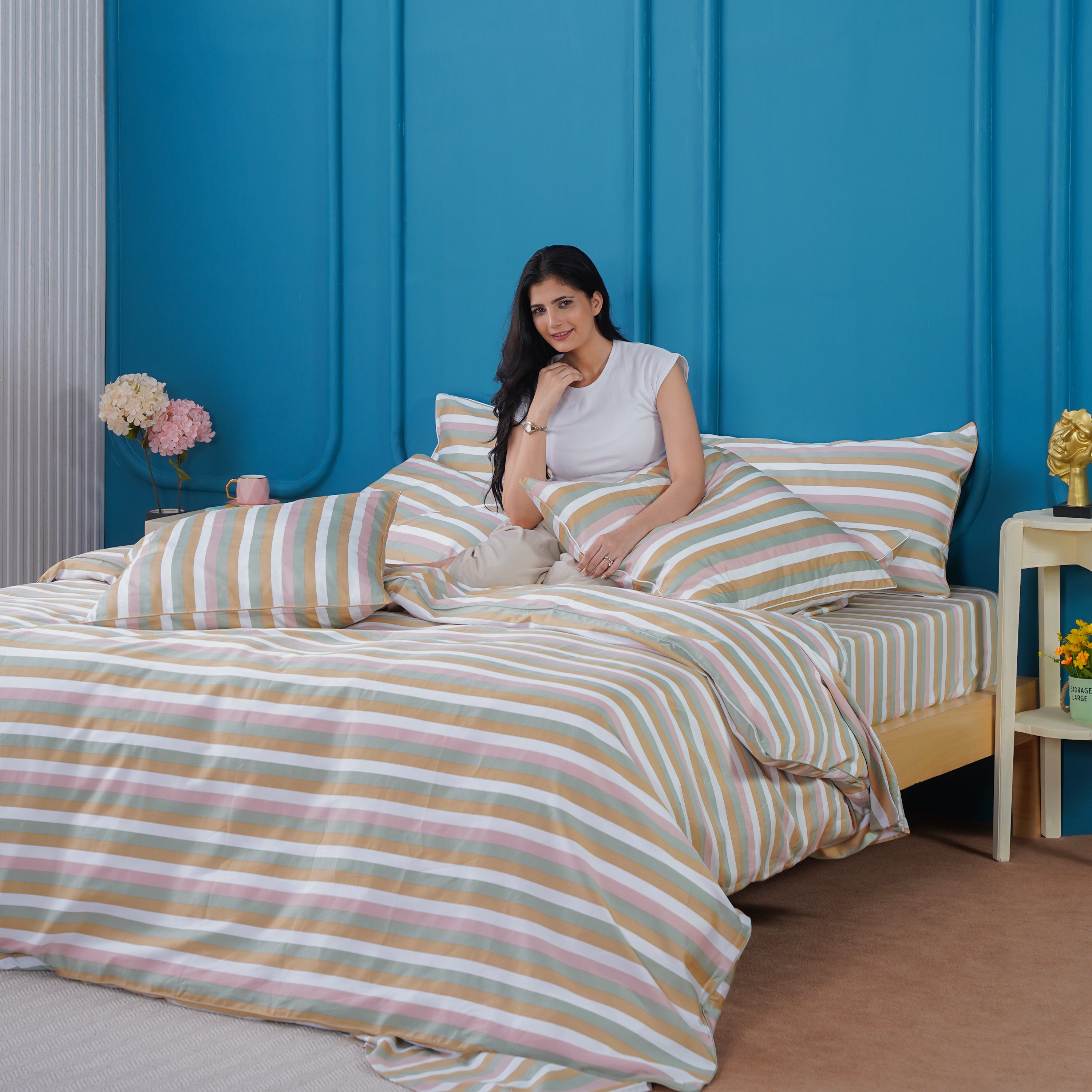
For those who sleep warm but not excessively hot, sateen can offer a comfortable balance between softness and temperature regulation — especially when paired with breathable materials from a considered cotton bedding collection.
Choosing the Right Option for Hot Sleepers
If overheating is a consistent issue, percale is typically the safer choice. Its crisp feel, lighter weight, and airflow-friendly structure help create a cooler sleep surface. However, material choice also matters.
Pairing the right weave with temperature-regulating fibres can further enhance comfort. For example, cooling bamboo bed sheets are often favoured by hot sleepers thanks to their moisture-wicking and naturally cooling properties.
Ultimately, the best choice depends on your personal sleep style. Understanding how percale and sateen behave allows you to make an informed decision — one that supports deeper, more comfortable sleep throughout the year.