

Thread count has become one of the most heavily marketed numbers in bedding, often positioned as a shortcut to quality. Many shoppers assume that the higher the number, the softer and more luxurious the sheets will be. In reality, thread count is frequently misunderstood — and sometimes deliberately misrepresented.
Understanding what thread count does and does not tell you helps you make better decisions about comfort, durability, and long-term value.
What Thread Count Actually Measures
Thread count refers to the number of horizontal and vertical threads woven into one square inch of fabric. On its own, this figure provides a basic indication of fabric density, but it does not account for fibre quality, yarn thickness, or weaving technique.
Two sheets with the same thread count can feel entirely different depending on how the fabric is constructed.
How High Numbers Can Be Misleading
Extremely high thread counts are often achieved by using multi-ply yarns — twisting several thinner fibres together and counting each strand separately. While this inflates the number on the label, it does not necessarily improve comfort or durability.
In some cases, fabrics with inflated thread counts feel heavier, trap more heat, and wear out faster than lower-count sheets made from stronger, longer fibres.
Why Fibre Quality Matters More Than Thread Count
Fibre length and strength play a far greater role in sheet quality than headline numbers. Long, smooth fibres create stronger yarns that resist pilling and maintain softness over time.
These qualities become especially noticeable in items that experience frequent friction, such as pillowcases, where fibre integrity directly affects how the fabric feels against the skin.
The Role of Weave and Fabric Construction
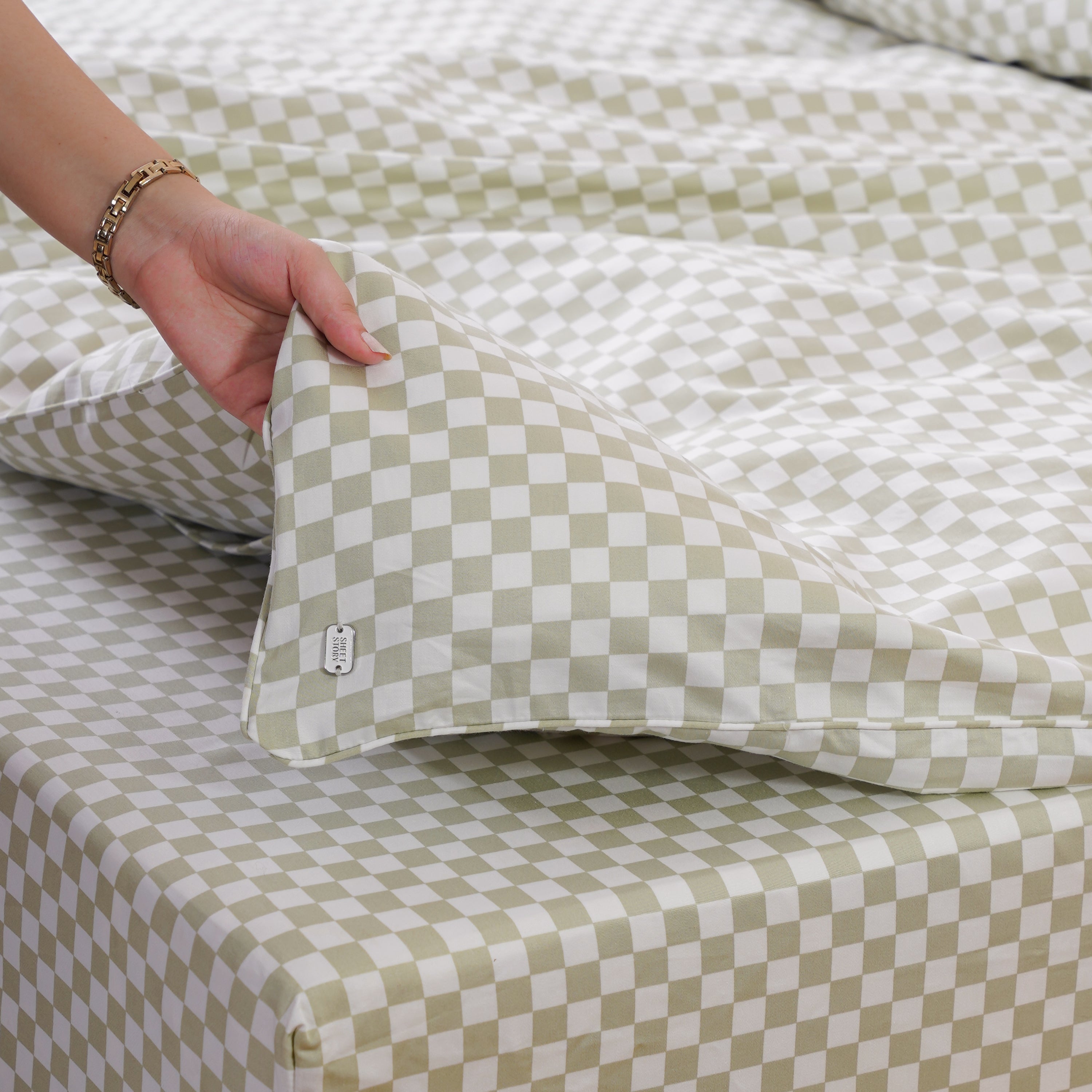
Weave determines how threads interact, how air flows through the fabric, and how the surface feels. A well-executed weave can make a moderate thread count feel far more comfortable than a poorly constructed high-count alternative.
This is why focusing on overall fabric construction — rather than chasing the highest number — leads to better long-term satisfaction.

What to Look for Instead of Chasing Numbers
When choosing bed sheets, it’s more useful to consider how the bedding is designed to be used. Breathability, weight, and durability all influence comfort, particularly for sleepers who value longevity.
Paying attention to how different components of a bedding set work together — including elements like duvet covers — helps create a cohesive sleep setup that performs well over time.
Thread count is not meaningless, but it should never be the sole deciding factor. By looking beyond the number and understanding fabric quality as a whole, you can choose bedding that genuinely supports comfort, durability, and better sleep.