

How to Style a Bed Like an Interior Designer
A well-dressed bed isn't about buying more. It's about building in the right order, mixing texture on purpose, and knowing where to stop. Here's the method designers actually use.
Walk into a beautifully styled bedroom and it's rarely the most expensive bedding doing the work. It's the order things go on in, the way textures sit against each other, and a handful of small proportion rules that most of us never learned.
Interior designers treat a bed the way they'd treat any other piece of furniture in a room: with a foundation, a structure, and a finishing layer. Once you see it that way, styling your own becomes a lot less about instinct and a lot more about a method you can repeat every time you change your sheets.
The Foundation
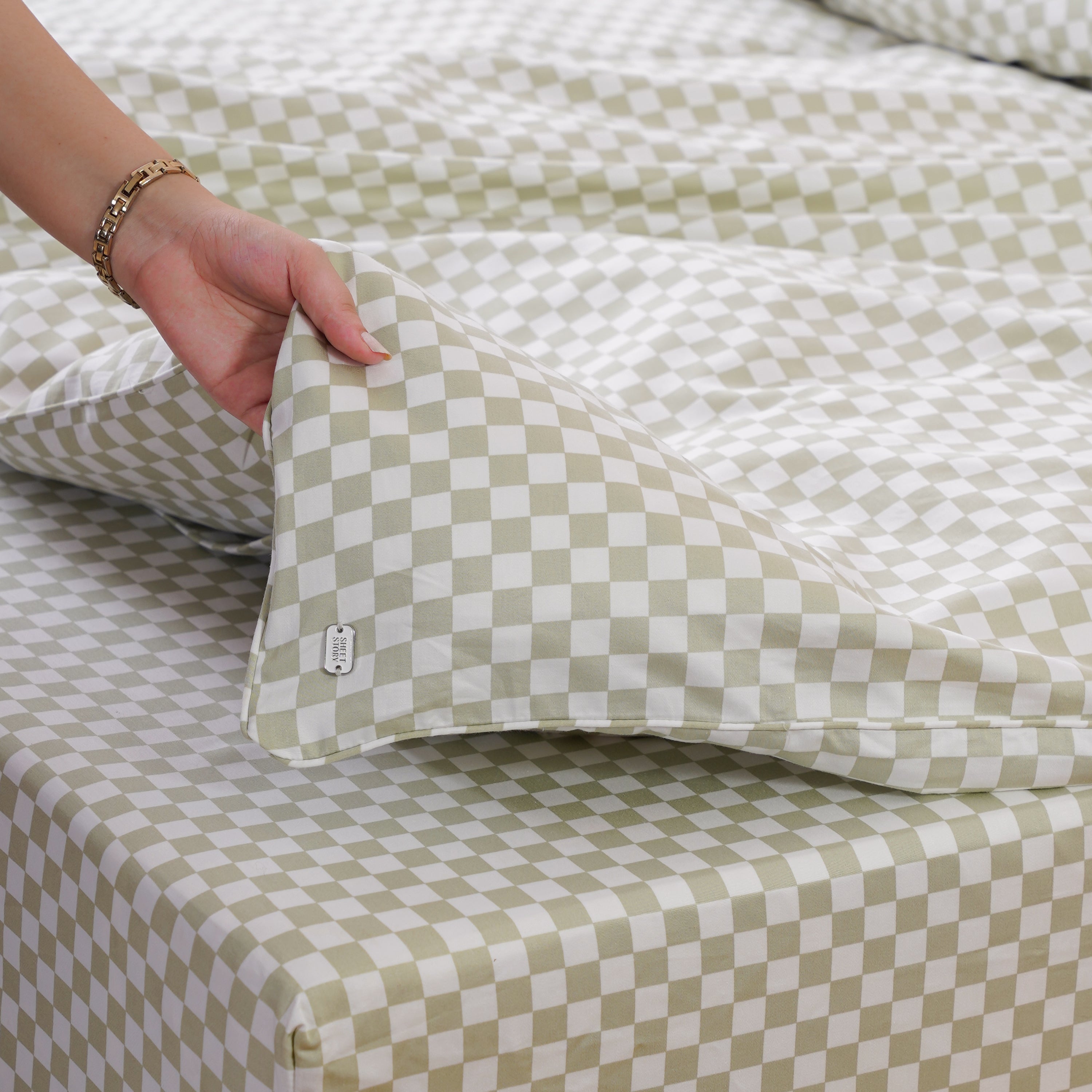
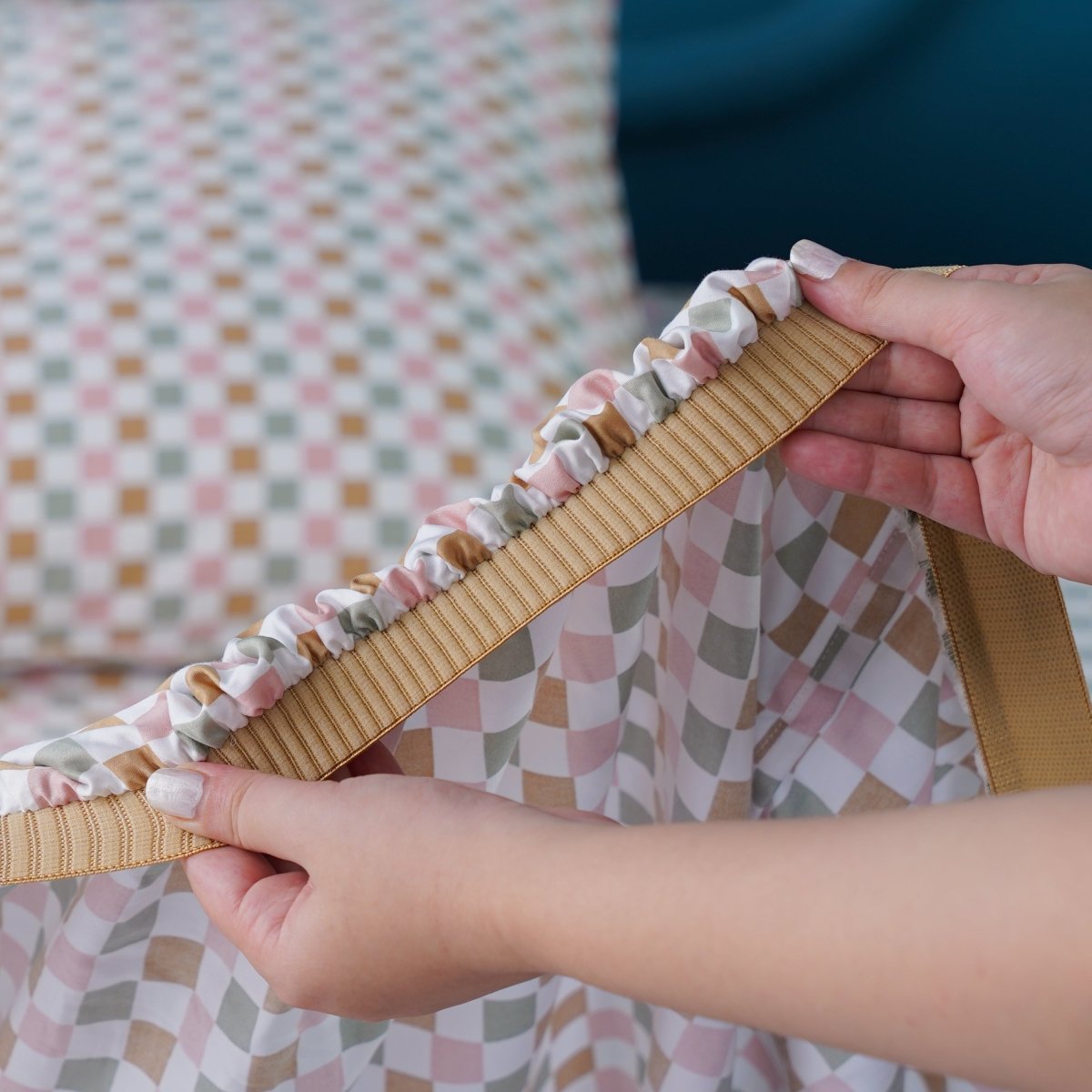
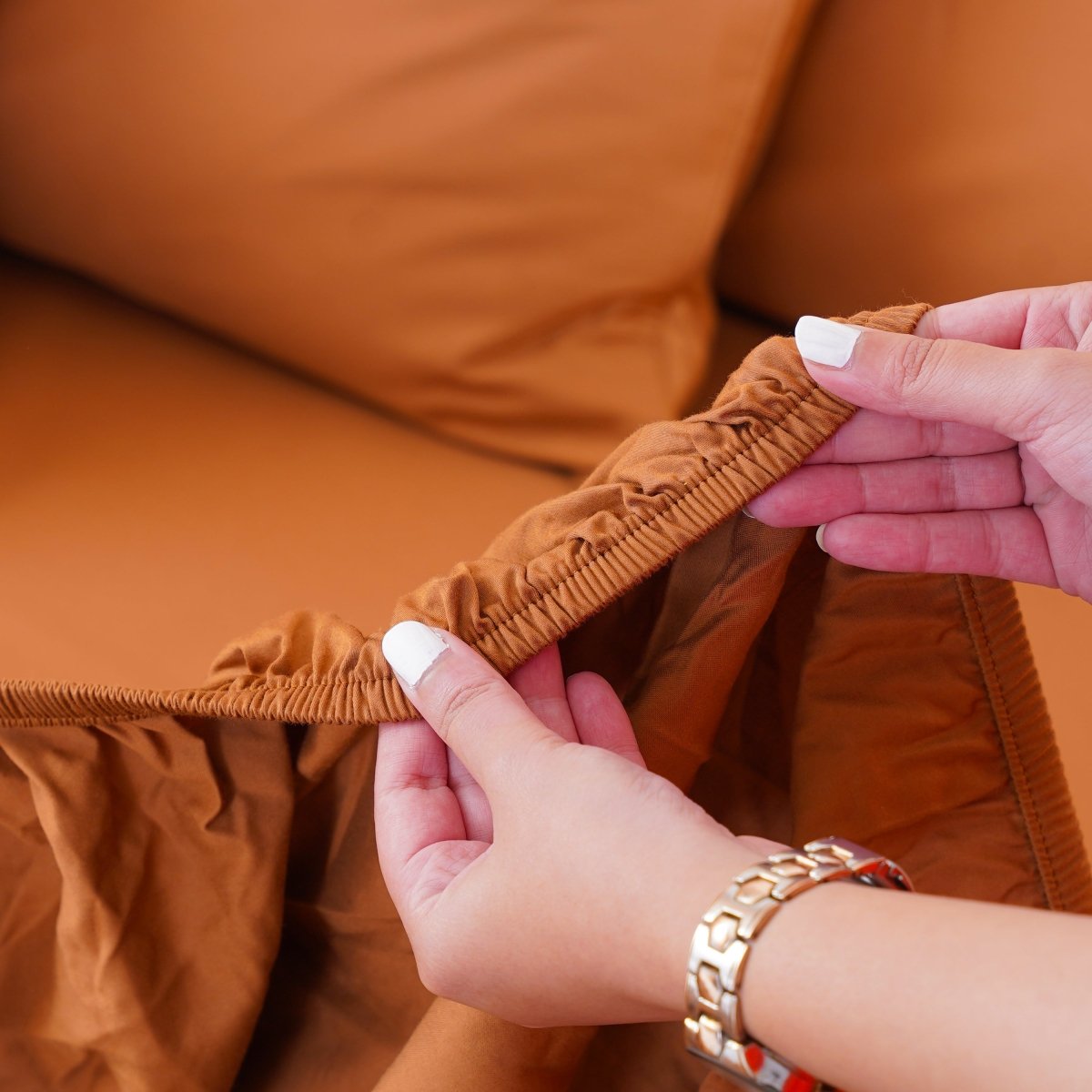
Every styled bed starts underneath what you can see. A good mattress protector and a fitted sheet that actually fits no gaping corners, no slipping in the night are the difference between a bed that looks composed and one that looks like it's fighting you.
This is also where colour decisions matter most, even though nobody will directly compliment your fitted sheet. A neutral, well-fitted base gives every layer above it something calm to sit on.
If your fitted sheet needs constant re-tucking, no amount of styling above it will hold. Deep, properly elasticated corners are a styling tool, not just a comfort one.
Anatomy of a Properly Layered Bed
From mattress to throw, in the order a designer would build it. Each layer earns its place before the next goes on.
Pillow Arithmetic
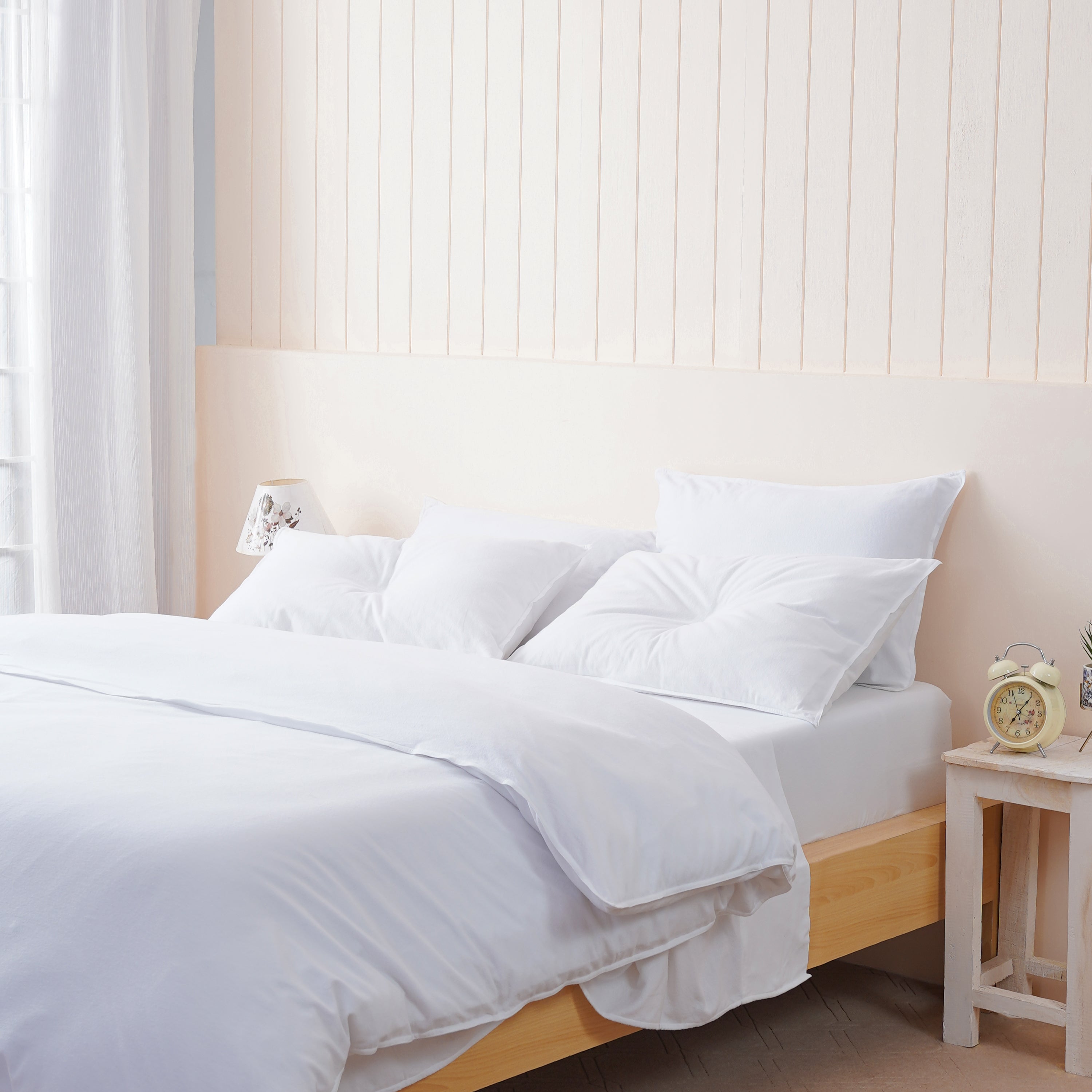
Sleeping pillows, back row
Your everyday pillows sit flat against the headboard the ones you actually sleep on.
Euro or square shams, middle row
Larger, upright pillows that add height and hide the back row's mismatched edges.
Accent pillow, front and centre
One smaller pillow in a contrasting texture or colour this is where you're allowed to take a risk.
Designers almost always work in odd numbers: three or five, rarely two or four. An odd count reads as arranged rather than symmetrical-by-accident, and it's far more forgiving if your pillows aren't a perfectly matched set.
Size should graduate from large at the back to small at the front, which is what creates that layered, propped-up look rather than a flat wall of cushions.
Mix Texture Before You Mix Colour
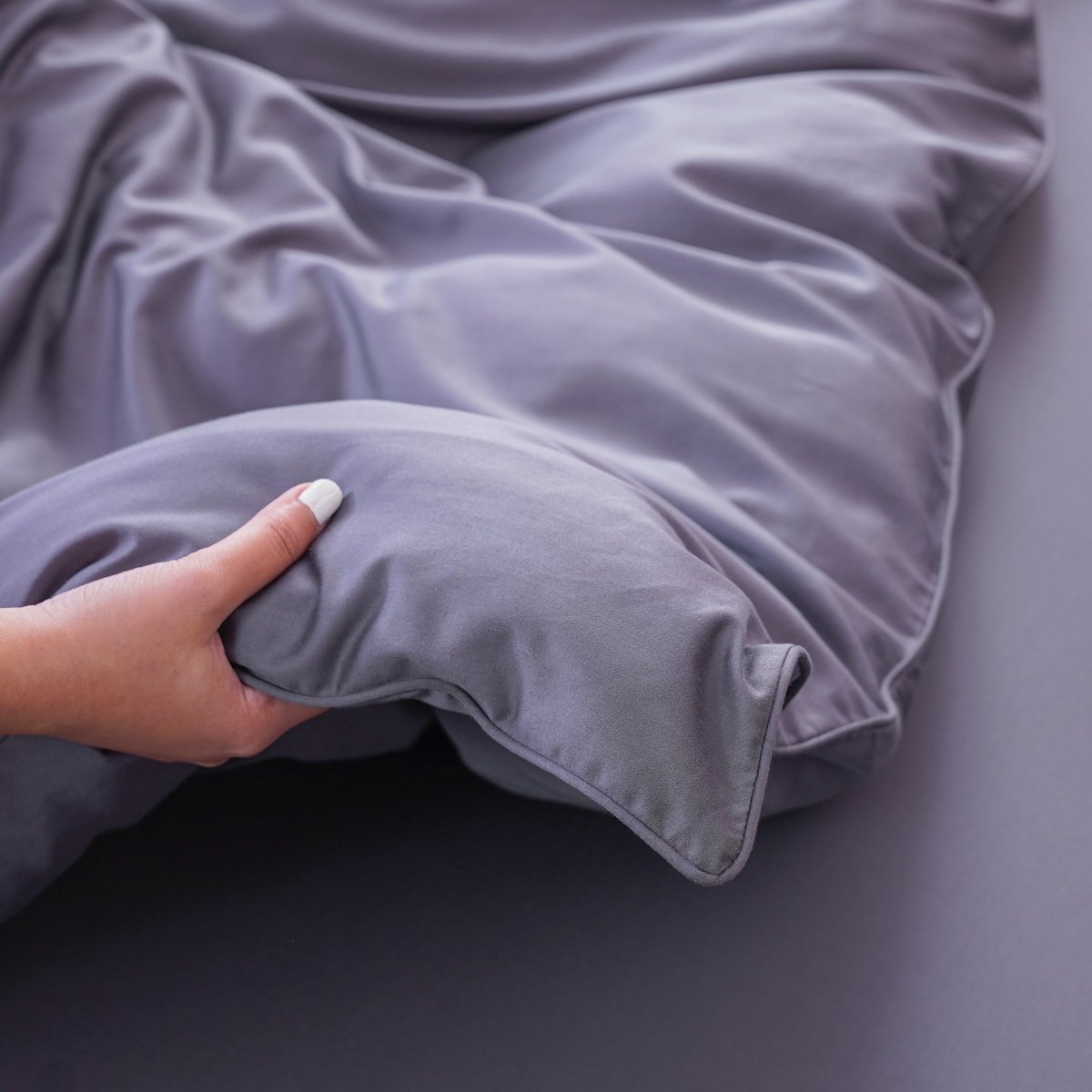
The easiest way to make a simple palette look considered is to vary the surface, not the shade. A crisp cotton sheet, a nubbly waffle throw and a smooth sateen pillowcase can all sit in the same tonal family and still feel layered, because your eye is reading texture as much as colour.
Crisp
Percale and higher-GSM sateen. Sets the clean, structured base.
Soft
Brushed cotton and bamboo blends. Adds warmth without visual weight.
Textured
Waffle, bouclé, or knit throws. The layer that stops a bed from looking flat.
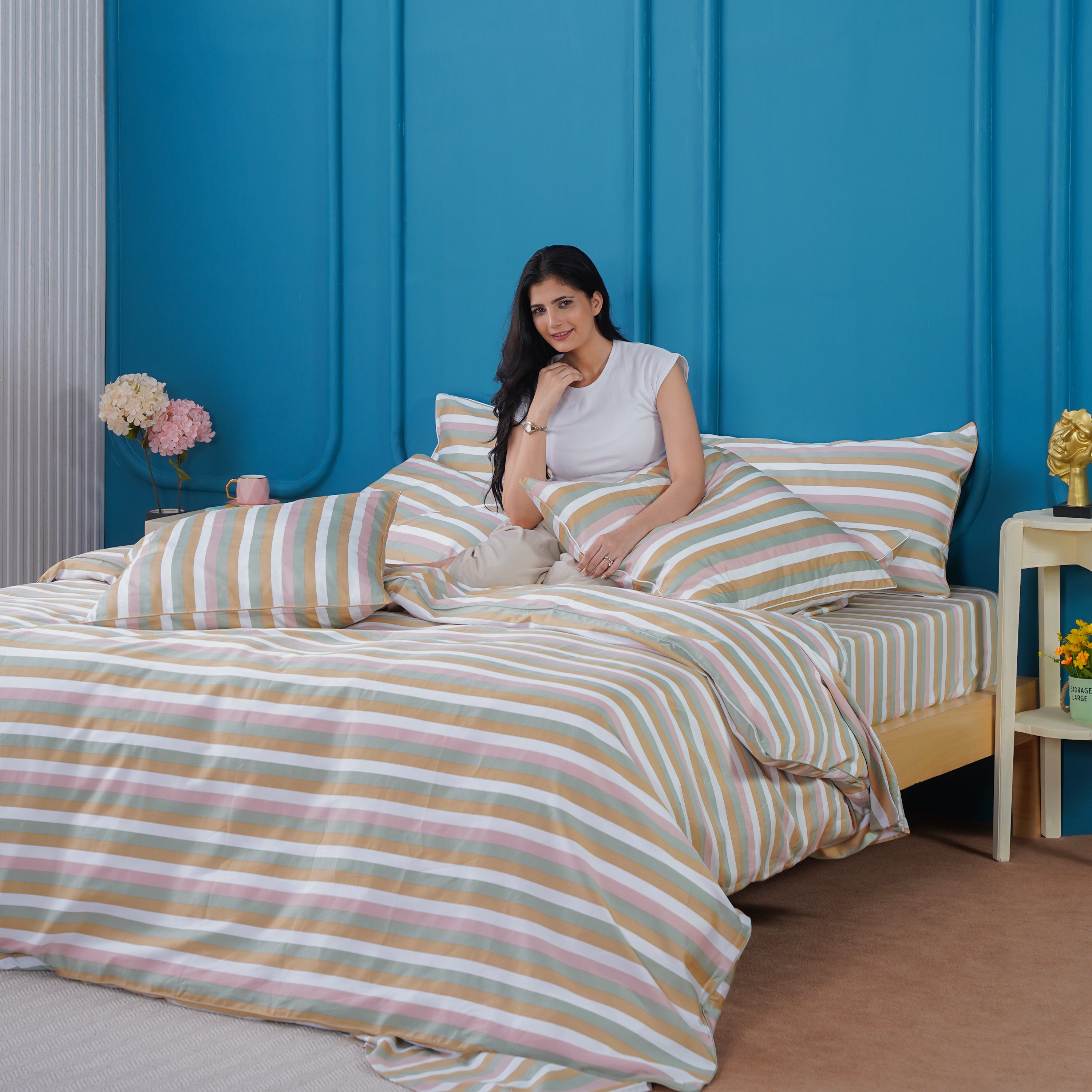
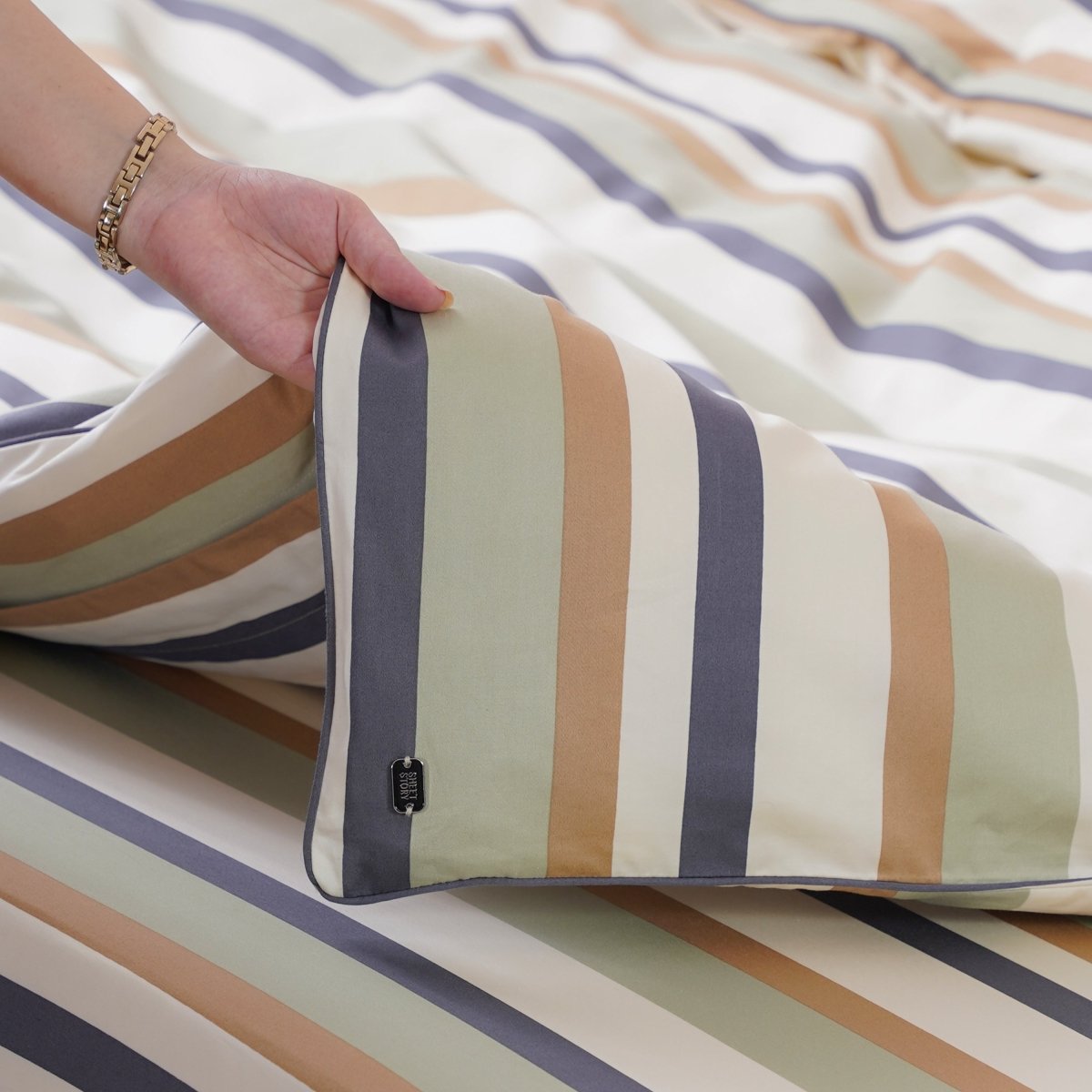
Keep one element solid, one subtly patterned, one textured never three competing patterns at once. If everything has a print, nothing reads as the focal point.
The Finishing Touch
The throw is the last thing on and the first thing people notice. Fold it in thirds and drape it across the foot of the bed rather than laying it flat a flat throw disappears visually, a folded one adds a defined line that finishes the composition.
If you only do one thing from this whole guide, do this one. It takes ten seconds and it's the detail that makes a bed look styled rather than simply made.
The Five-Second Styling Check
- Fitted sheet is smooth, with no visible gaping at the corners
- Duvet is centred, with an even overhang on both sides
- Pillows are arranged in an odd number, graduated back to front
- At least one textured layer sits against a crisp one
- Throw is folded, not flat, across the foot of the bed
Start With the Foundation
Every styled bed begins with sheets that actually fit. Shop the bedding Sheet Story built for the base layer up.
Shop BeddingFrequently Asked Questions
What order should bedding layers go on in?
Mattress protector, then fitted sheet, then an optional flat sheet, then your duvet, followed by pillows and finally a folded throw or bedspread at the foot of the bed.
How many pillows should a bed have?
Designers typically work in odd numbers three or five arranged in graduated sizes from large at the back to small at the front, rather than a flat, even row.
How do I make my bedding look more expensive?
Mix at least two textures within the same colour family, keep patterns to a maximum of one dominant print, and finish with a folded rather than flat throw.
Should a top sheet go under or over the duvet?
A flat sheet sits directly under the duvet, between it and the fitted sheet. It's optional, but it keeps your duvet cover cleaner for longer.